
Why Winter Is the Right Time to Plan for Spring Construction
Modular construction is often celebrated for speed, with studies finding that modular projects can be 30-50% faster than traditional on-site builds because fabrication happens off site while site work progresses in parallel. But faster execution doesn’t mean instant turnaround. Even streamlined modular projects typically involve 6-20+ weeks of planning, permitting, and factory fabrication before delivery and installation can begin. That means decisions about design, approvals, site preparation, and sequencing still need to happen long before spring weather arrives if a project is going to move efficiently once conditions improve.
For owners facing fixed occupancy dates, whether schools expanding capacity, healthcare facilities adding clinical space, or government agencies delivering mission-critical infrastructure, winter planning is the strategic foundation that ensures a spring build starts on solid footing.
Spring Construction Depends on Decisions Made Months Earlier
Regardless of construction method, spring uniformly carries the same pressures. Permitting agencies face higher volumes. Contractors and inspectors are in peak demand. Lead times for materials and equipment begin to stretch.
Waiting until spring to begin planning compresses several critical phases into a narrow window. Design development, engineering reviews, site coordination, and procurement all compete for time and attention.
Winter planning allows these steps to happen deliberately, when teams have more flexibility and fewer external constraints.
Modular Construction Aligns With Winter Planning Cycles
Modular construction is uniquely suited to winter planning because it separates decision making and production from site conditions. While winter weather may limit traditional on-site activity, it does not prevent:
-
Finalizing building layouts and specifications
-
Completing engineering and jurisdictional reviews
-
Coordinating foundations and utility connections
-
Scheduling factory production
-
Sequencing delivery and installation
By advancing these steps during winter, spring construction becomes more predictable and less vulnerable to delays.
Budget Control Improves With Early Planning
Early planning also supports stronger budget control. When scope, schedules, and logistics are defined in winter, projects are less likely to encounter premium costs driven by compressed timelines or peak season demand.
For organizations working within fiscal year budgets, grant funding, or capital improvement plans, winter planning provides clarity and reduces financial uncertainty before construction begins.
Planning Ahead for Facilities With Fixed Occupancy Dates
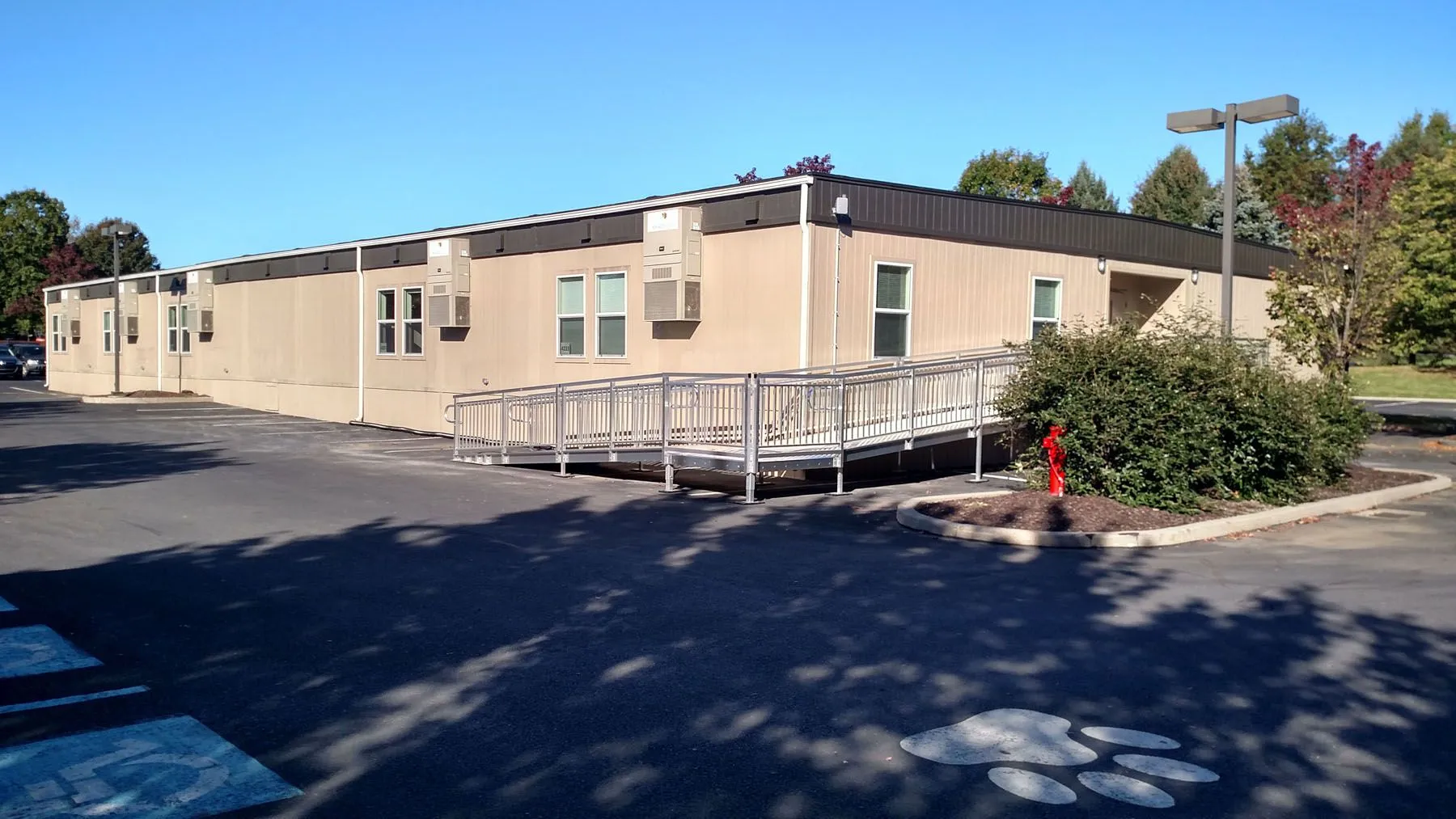
Rapid enrollment growth left a charter school with a clear challenge: expand classroom capacity in time for the next academic year without disrupting ongoing operations. The solution required more than fast installation. It required early, deliberate planning.
The project ultimately delivered an 11-classroom modular complex with a dedicated restroom building, but that outcome was shaped months before the first module arrived on site. Winter planning allowed the project team to finalize layouts, evaluate site conditions, and coordinate permitting while fabrication schedules were being developed.
By resolving scope and logistics early, modular units could be manufactured off site while site preparation progressed in parallel. When spring conditions arrived, the project was no longer in a planning phase. Foundations, delivery sequencing, and installation logistics were already locked in.
From project award to occupancy, the full build cycle was completed in approximately 120 days, a timeline that depended heavily on decisions made during the winter months. For education facilities working backward from a fixed school start date, this case illustrates how winter planning creates the certainty needed to execute quickly once site work can begin.
Similarly, a large utility provider needed additional training space to support its field workforce. The project was driven by operational demand and fiscal-year budget constraints, requiring the building to be delivered and operational on a tight timeline.
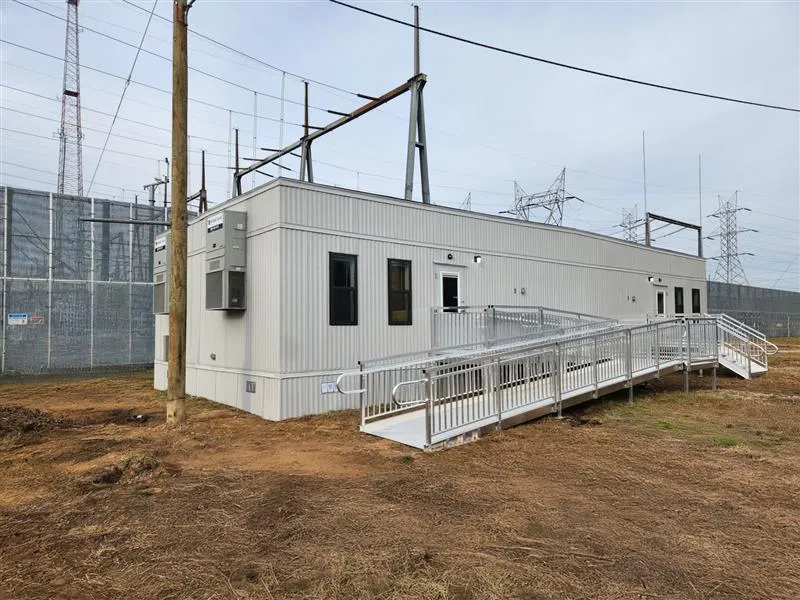
Winter planning played a critical role in meeting that deadline. The project involved a 9,000 square foot modular training facility designed to support classroom instruction and administrative functions. Early coordination allowed building specifications, layout, and code requirements to be finalized while permitting and site logistics were addressed in parallel.
Rather than waiting for ideal weather to begin planning, the project team used the winter months to align fabrication schedules and site preparation. By the time modules were delivered, installation could proceed efficiently with minimal on-site disruption.
This project highlights a common reality for government and utility clients. Funding cycles and operational needs often leave little flexibility once construction begins. Winter planning provides the runway needed to execute confidently when spring conditions arrive.
Spring Should Be About Building, Not Deciding
When spring arrives, the most successful projects are not still debating layouts or waiting on approvals. They are installing buildings that have already been planned, coordinated, and scheduled.
Across education, healthcare, and government sectors, the pattern is consistent. Projects that deliver smoothly in spring are built on decisions made during winter.
At Modular Genius, many of the most efficient spring installations begin with planning conversations held while winter is still underway. Starting early creates flexibility, reduces risk, and allows construction to move forward on schedule.