
Why Modular Construction Excels in Winter Weather
Winter weather introduces real constraints on construction projects. Frozen ground can complicate excavation, while snow and ice reduce safe working windows and slow productivity. Concrete placement and curing are also more difficult in low temperatures, and material staging and deliveries can become less predictable. Altogether, these conditions can delay traditional construction for weeks at a time, with research showing that 45% of construction projects worldwide are affected by weather delays.
Modular construction addresses these challenges by shifting the most complex work away from the job site. Structural framing, mechanical systems, and interior finishes are completed indoors, allowing projects to progress regardless of outdoor conditions.
Managing Frozen Ground and Site Limitations
One of the biggest winter obstacles is foundation work. Excavation in frozen soil is time consuming and costly, and concrete pours are highly sensitive to temperature.
Many modular projects mitigate this risk through alternative foundation strategies that require less excavation and can be installed in colder weather. Helical pier systems, for example, can be installed with minimal disruption to frozen ground and allow modules to be set quickly once complete. This approach reduces winter downtime and supports more predictable schedules.
Winter Safety and Workforce Considerations
Winter conditions increase safety risks on traditional construction sites. Slippery surfaces, cold stress, and limited daylight all impact productivity and worker safety.
By moving the majority of labor into a controlled environment, modular construction significantly reduces time spent working outdoors in winter conditions. Crews spend fewer days on ladders, scaffolding, and exposed framing, which lowers risk and improves overall jobsite safety.
MLSiC Clinical Trials Unit (Healthcare Facility)
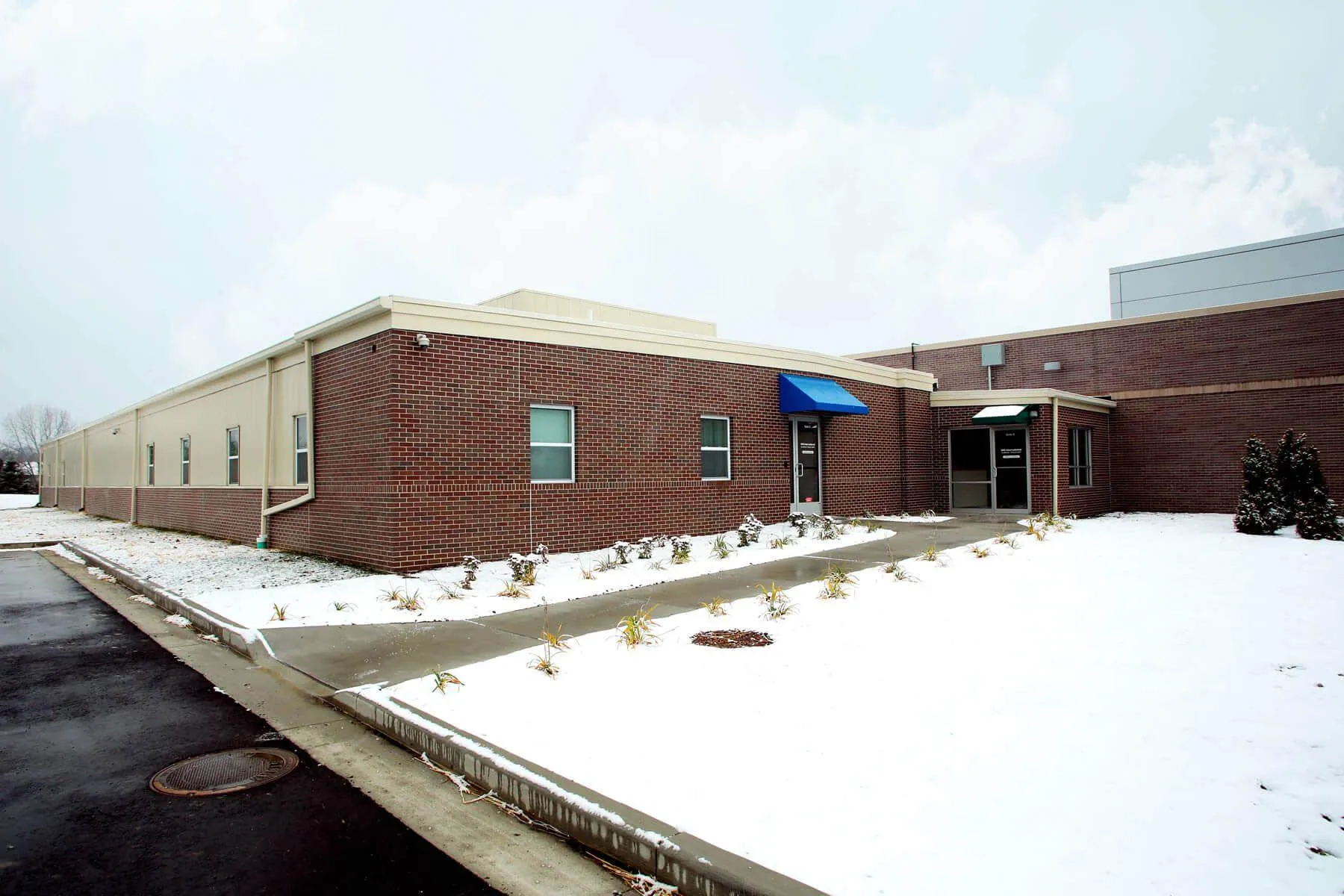
Winter conditions are especially challenging for healthcare construction, where quality control and environmental performance are non-negotiable. For the MLSiC Clinical Trials Unit in Michigan, snow and cold weather were present during site activity, making traditional construction risky for a facility with strict clinical requirements.
By fabricating the majority of the 9,400 square foot building off site, Modular Genius ensured that sensitive spaces such as patient rooms, laboratories, and the investigational pharmacy were built in a controlled environment. Clean room systems, HEPA-filtered airflow, and pressure-controlled spaces were completed indoors rather than exposed to moisture and temperature swings. When the modules arrived on site, installation progressed efficiently despite winter conditions, reducing the time crews and materials were exposed to snow and cold. The result was a high-performance clinical facility delivered without compromising schedule or quality during winter weather.
Performance After Installation Matters
Winter construction is not just about completing a project. Buildings must also perform once occupied. Modular buildings are designed with consistent insulation, tight building envelopes, and integrated mechanical systems that support reliable thermal performance.
This level of quality control is difficult to achieve when materials are exposed to moisture and freezing temperatures during traditional construction. Modular construction helps ensure long term performance by controlling these variables from the start.
Maine Turn-Key Modular Classroom Building (Education)
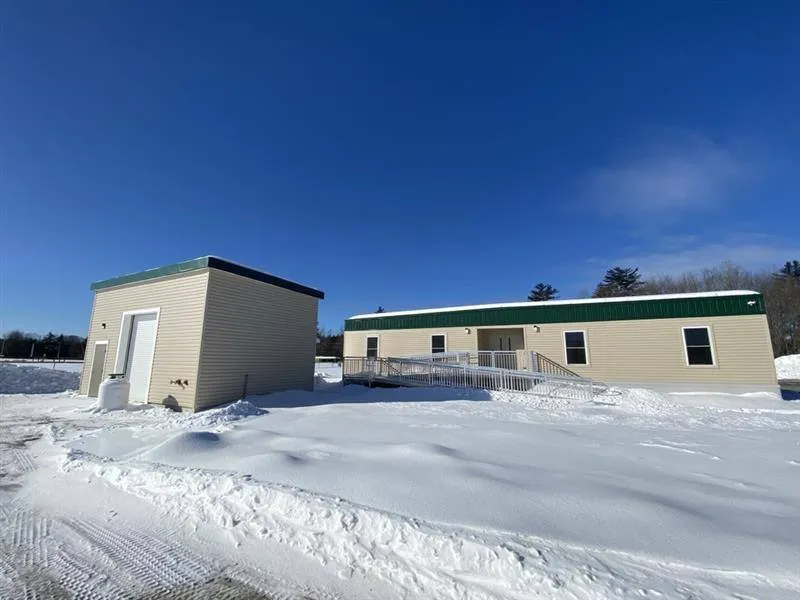
In Maine, winter construction windows are short and unpredictable. Snowfall, frozen ground, and limited daylight often delay traditional school construction projects well beyond planned schedules. For RSU 57 in Waterboro, adding classroom space could not wait for spring.
Modular Genius delivered a 4,352 square foot turn-key modular classroom building that arrived largely complete, allowing installation to proceed even in snowy conditions. Four finished classrooms and multi-stall restrooms were constructed off site, while site preparation and utility coordination occurred in parallel. By limiting on site construction time during winter months, the district avoided prolonged disruption and weather related delays. The building was ready for occupancy without relying on extended winter framing or finish work, demonstrating how modular construction keeps education projects moving when weather is least cooperative.
When Winter Cannot Delay the Need for Space
Many organizations cannot wait for spring. Schools must accommodate enrollment changes. Government agencies need operational space on fixed timelines. Emergency response and infrastructure projects often occur during the winter months.
Modular construction allows these projects to move forward with confidence, offering predictable schedules and reduced risk when traditional construction becomes unreliable.
Building Through Winter With Confidence
Winter does not pause the need for space. With the right planning and the right partner, it does not have to pause construction either. Modular Genius helps organizations move forward through winter by reducing on site risk, maintaining quality control, and delivering buildings that perform when conditions are least predictable.