
Temporary Modular Classrooms for Schools in Easton, PA
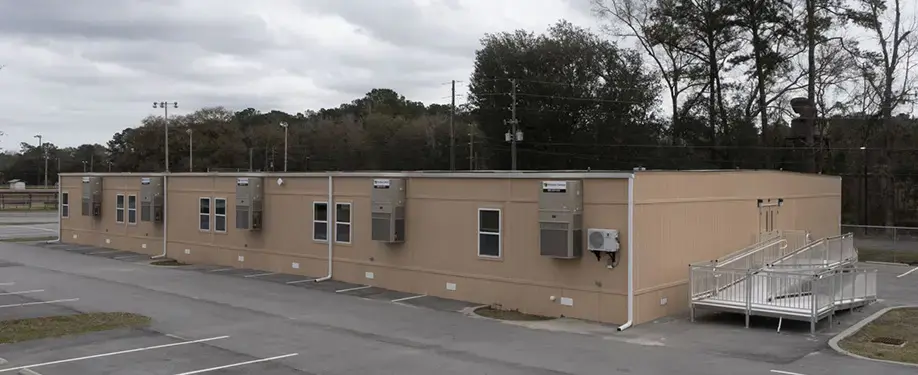
A temporary classroom move can be smooth, but it shouldn’t be casual. Principals have to think beyond where the building will sit. They’ll need to consider student routines, teacher needs, communication, safety, and the small details that shape each school day. That’s why temporary modular classrooms for schools in Easton, PA should be planned around people, not just space. When you turn to Modular Genius, that’s what you can expect.
You’ll Want to Walk Through the Student Day
Before students move in, principals should imagine the day from arrival to dismissal. Where will students enter? How will they get to the classroom? What happens during rain or cold weather? How will they reach the restroom, cafeteria, nurse, main office, or dismissal area?
These questions aren’t minor. They affect whether the temporary classroom feels easy to use or frustrating. We help school leaders think through the student experience before the first class begins.
It’s Important to Support Teachers Early
Teachers need more than a room. They need storage, classroom technology, furniture placement, communication access, and a setup that supports their teaching style. If the space isn’t ready for the way the teacher works, the first few weeks can feel harder than they should.
We encourage principals to include teachers in practical planning. Their input can reveal needs that don’t always show up on a project checklist.
A teacher may know exactly where students tend to gather, what materials need to stay close at hand, how often students need to move to another part of campus, or what classroom layout will make transitions easier. Those insights can help the modular classroom feel ready for real teaching from the first day.
You’ll Need Clear Communication With Families
Parents may have questions about why students are moving into temporary classrooms and what the space will be like. Principals can reduce concern by explaining the purpose, timeline, daily routines, and benefits in plain language.
A clear message can help families understand that the modular classroom is part of a plan, not a last-minute patch. Modular Genius helps schools think about the details parents are most likely to ask about, so leaders can communicate with more confidence.
Families don’t need a technical explanation of modular construction. They’ll usually want to know whether the classroom will be comfortable, how students will get there, how long the setup may last, and how the school will keep the day running smoothly. Answering those questions early can help build trust.
Plan for Supervision and Connection
Temporary classrooms should still feel connected to the school’s supervision structure. Principals should consider visibility, staff coverage, hallway or outdoor movement, emergency procedures, and how students will stay connected to announcements and activities.
We help schools look at placement and access from a daily operations perspective. A modular classroom works better when it’s part of the school’s normal rhythm.
Students should still feel close to the support systems they already know, and staff shouldn’t feel like they’re managing a separate campus. Good planning can help the temporary classroom function as part of the school rather than a disconnected add-on.
We’ll Help Make the Move Feel Manageable
Principals don’t need to know everything about modular construction before they begin. They just need a partner who can explain the process, and help connect the building to the school’s goals. We focus on making the project approachable and practical.
That means we’ll help leaders think through the questions that shape everyday use. Where should the building go? What will teachers need? How will students move? What should families know? When those answers are clear, the move can feel much less overwhelming.
Find out more about working with Modular Genius for temporary modular classrooms for schools in Easton, PA by calling 888-420-1113 or using our online form.