
Modular Buildings for Schools in West Virginia
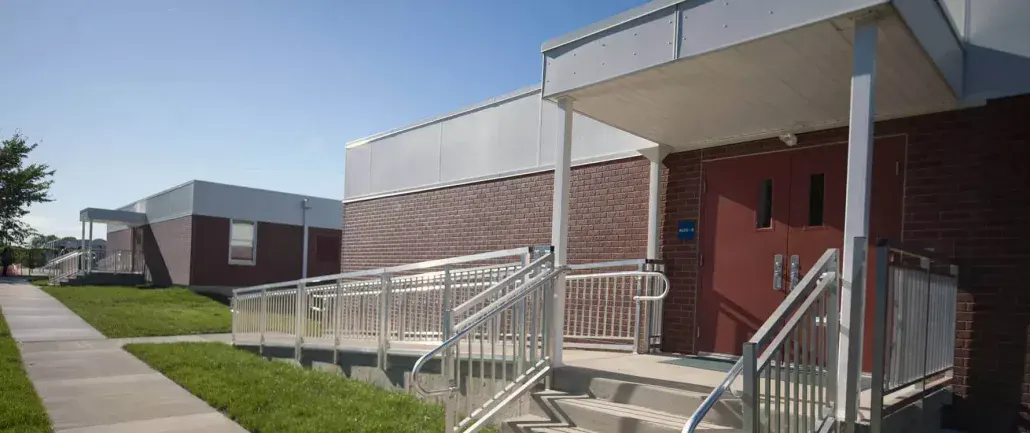
Most people associate modular buildings for schools in West Virginia with extra classrooms. That makes sense, because enrollment changes and space shortages show up fast. Still, schools do more than teach in rows of desks. They counsel students, support families, run assessments, train staff, store materials, and provide services that keep the whole campus working. Modular Genius buildings can help districts add space for many of those purposes without waiting for a long construction project.
Student Support Spaces That Reduce Bottlenecks
Many campuses need more space for counseling, social work, speech services, and small-group support. These services often get squeezed into shared offices or borrowed rooms, which makes scheduling hard and privacy even harder. A modular building can create a dedicated area for student support so staff is not constantly moving from one corner of campus to another.
This can also improve the student experience. When students know where to go for a meeting, and the space feels calm and consistent, support becomes easier to access. It also helps teachers because pull out services can happen with less disruption and less confusion.
Administrative and Family Engagement Areas
Front offices can get crowded quickly, especially during enrollment season, parent conferences, and busy pickup periods. A modular building can be used as an administrative extension that gives staff more breathing room and gives families a more welcoming place to handle paperwork and questions.
Some districts also use extra space for family support services, like resource coordination, or community partner meetings. When that work has a dedicated space, it feels more organized and more respectful of everyone’s time. It can also reduce the constant pressure on the main office to do everything in one spot.
Staff Collaboration and Training Space
Teachers and staff need room to plan, meet, and train, but those spaces are often the first to disappear when enrollment rises. A modular building can give staff a consistent place for team meetings, professional development, and training sessions without taking over student areas.
This may sound like a small upgrade, but it can change the feel of a campus. When staff has a space designed for collaboration, meetings are easier to schedule and training can happen without constant shuffling. It also sends a message that teacher support matters, which can help with morale and retention.
Specialty Programs and Flexible Multi-Use Areas
Districts often run programs that do not fit neatly into a standard classroom. That can include career-focused instruction, small group tutoring, language support, or student clubs that need a dedicated home. Modular buildings can provide a flexible space that can shift as programs change.
Flexibility matters because district needs change. A space used for tutoring this year might become a training room next year. Planning for that kind of change can help districts avoid building a space that only works for one moment in time.
Storage and Operational Support That Keeps Campuses Running
Storage is one of the most common problems on school campuses. When supplies pile up in hallways and unused corners, daily operations get harder. Modular buildings can provide secure storage for materials, equipment, and seasonal items so the main building stays clear and functional.
Some districts also use modular space for operations support, like maintenance staging or technology storage and setup. When those functions have a home, the campus runs smoother and staff spends less time chasing items across multiple locations.
Learn more about what you can do with modular buildings for schools in West Virginia by calling Modular Genius at 888-420-1113, or using our online contact form.