
Modular Classrooms & School Buildings Southaven, MS
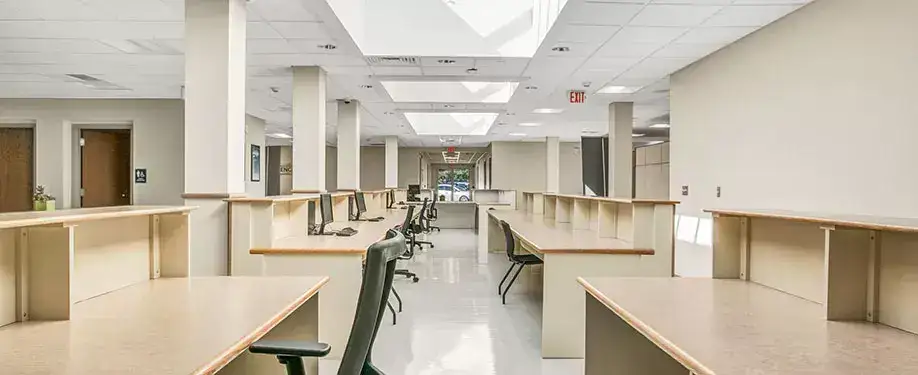
Enrollment numbers never stay still. One year a district scrambles to find seats for a sudden influx of students. The next, a campus designed for 800 has only 450 enrolled. These swings are no longer exceptions – they’re part of a new, unpredictable normal driven by changing demographics, housing trends and school choice policies. Modular classrooms and school buildings in Southaven, MS are among the smartest ways for schools to future-proof their campuses and adapt on their own terms. Here are some reasons why from the experts with Modular Genius.
When Enrollment Moves Faster Than Construction
Traditional school construction follows a long, expensive arc. By the time plans are approved, permits are pulled and buildings are complete, the enrollment need that triggered the project may already have shifted. That’s not a great return on investment. Worse, it often leaves students and teachers stuck in spaces that no longer serve their needs.
Modular design flips the script. Schools can scale up or down in real time, without waiting years for brick and mortar to catch up. A district expecting a short-term spike in kindergarten enrollment can add modular classrooms designed specifically for early learners. If those numbers dip later, the same buildings can be repurposed as special education suites, arts labs or small group intervention spaces. This proactive planning leaves room for flexibility.
Designing Spaces That Don’t Lock You In
One of the greatest strengths of modular design is that it doesn’t trap schools into fixed layouts. Hallways, walls, lighting and tech infrastructure can be designed to support more than one purpose. A modular wing added for science instruction today can be reshaped into a language learning center tomorrow.
This kind of design philosophy supports educational models that are still evolving. As more schools embrace project-based learning, career-tech pathways and inclusive classroom strategies, the need for adaptable spaces grows. Modular design lets districts respond to what works, rather than forcing pedagogy to fit static buildings.
Serving Growing Communities Without Guesswork
In fast-developing neighborhoods, student populations often outpace district forecasts. Modular buildings provide an agile way to meet community needs without committing to permanent structures too soon. A temporary annex built in response to a housing boom can be removed, relocated or integrated into the main campus as long-term trends become clear.
Even in rural areas where population shifts can be dramatic from year to year, modular campuses offer districts the ability to pivot. School leaders can avoid both overbuilding and overcrowding. They can maintain student-teacher ratios and preserve program quality – even when the demographics around them shift unexpectedly.
Making Smart Use of Budget Cycles
Future-proofing isn’t just about building. It’s about managing resources wisely. Modular design allows schools to invest gradually rather than all at once. Campuses can grow in phases, timed to bond funding releases, enrollment trends or shifting community priorities. This phased approach offers transparency to stakeholders, predictability to administrators, and measurable outcomes that align with district goals.
And because modular buildings can be reused, relocated or sold, the investment doesn’t vanish when enrollment needs change. It stays in the district’s hands, ready to serve wherever the next wave of students appears.
Modular classrooms and school buildings in Southaven, MS give schools the power to respond – not react – to enrollment shifts. For more information, call Modular Genius at 888-420-1113 or contact us online.