
Top Portable Building Manufacturers
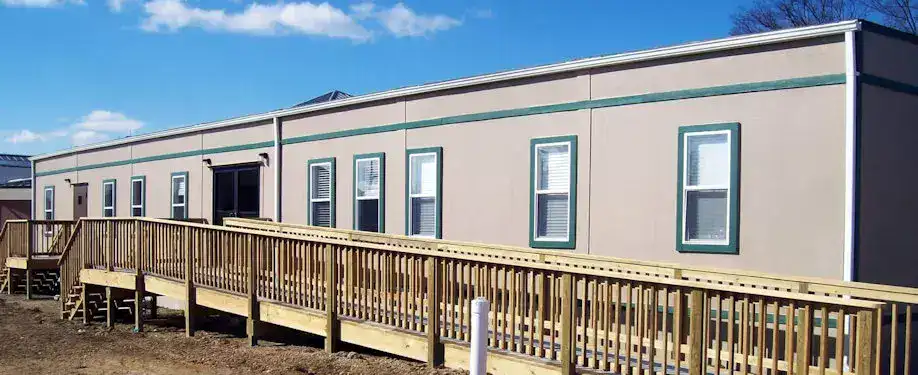
Top portable building manufacturers, such as Modular Genius, don’t overlook any details when it comes to transporting and installing their structures. This is a carefully planned process that ensures each module arrives safely and is put together seamlessly. It’s a fascinating combination of logistics, engineering, and precision assembly. If you’ve ever wondered how modular buildings go from factory floors to fully functional structures on-site, here’s a step-by-step look.
The Journey Begins: Preparing for Transport
Before a modular building even leaves the factory, a lot of planning happens behind the scenes. Manufacturers carefully design each module to withstand the stress of transportation. These structures aren’t just flimsy boxes; they’re built with reinforced frames, durable materials and secure fixtures to ensure nothing shifts or breaks during transit.
Once the modules are complete, they go through a final inspection to check for any structural issues, loose components, or imperfections. Everything inside, from walls and floors to electrical wiring and plumbing, is already installed. Because these buildings are prefabricated, most of the work is done before they ever reach their destination.
Overcoming Transportation Challenges
Moving modular buildings isn’t as simple as loading them onto a truck and hitting the road. These oversized loads require special permits, route planning and sometimes even police escorts to ensure a smooth and safe journey. Transporting large modules through city streets, narrow highways or across bridges can be tricky, so logistics teams carefully plan the best route to avoid obstacles like low-clearance bridges or sharp turns.
Weather conditions also play a role. Strong winds, heavy rain or icy roads can make transporting modular buildings risky, so companies monitor forecasts and adjust schedules accordingly. Safety is always the top priority, and experienced drivers take extra precautions to ensure each module arrives in perfect condition.
Arriving on Site: The Installation Process
Once the modules reach their destination, the real magic happens. The installation process is where everything comes together, transforming separate pieces into a complete building. The first step is preparing the site, which includes clearing the land, laying a foundation, and setting up utility connections like water, electricity and sewage.
With the foundation in place, cranes lift each module into position. This is one of the most impressive parts of the process, as workers carefully align the modules to ensure a perfect fit. Whether it’s stacking multiple stories or connecting side-by-side units, precision is key. The modules are then secured together using steel fasteners, bolts or welding, depending on the design.
Once all the modules are in place, crews handle the finishing touches. This includes sealing the seams, connecting interior systems, and making sure everything is level and structurally sound. In many cases, minor aesthetic work like painting, flooring adjustments and trim installation is done on-site to ensure a seamless look.
Final Inspections and Occupancy
Before a modular building can officially be used, it goes through a final inspection to make sure everything meets safety codes and regulations. Inspectors check the structural integrity, electrical systems, plumbing, and fire safety features to ensure the building is move-in ready.
Because modular buildings are constructed with high standards, they often pass inspections faster than traditional buildings. Once approved, the building is ready for occupancy, whether it’s a school welcoming students, an office space opening for business, or a home ready for its new owners.
If you would like to work with one of the top portable building manufacturers, call Modular Genius at 888-420-1113 or use our online contact form to get in touch.